How to Plan Your Haldi Ceremony: A Complete Guide
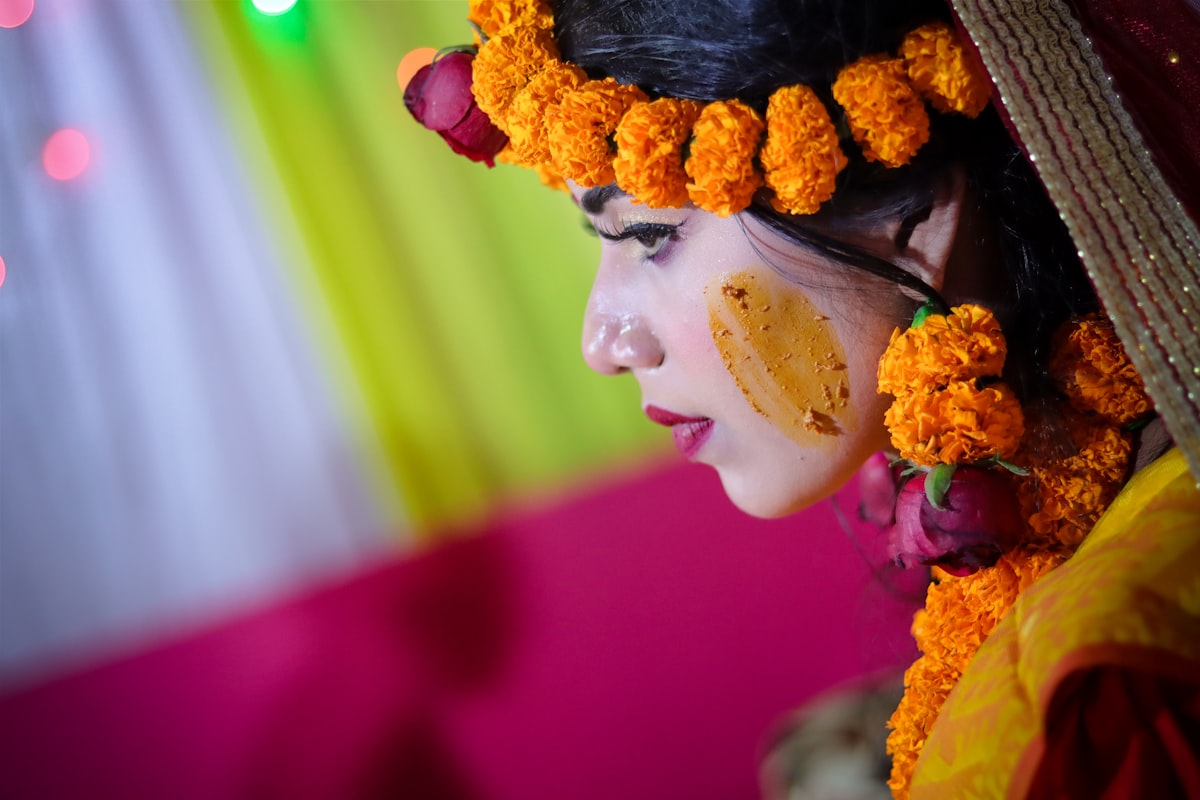
There's a moment in every haldi ceremony that nobody warns you about. It's not the turmeric flying everywhere (you knew about that). It's the moment your mom or your nani sits down next to you, dips her hand in the paste, and gently smears it on your cheek. No music. No choreography. Just a quiet blessing from the person who's been taking care of you your whole life. And suddenly, somehow, this messy little ritual becomes the most emotional event of your entire wedding week.
The haldi doesn't get the production value of a sangeet or the scale of a reception. But if you ask married couples which event they'd relive, a surprising number of them will say the haldi. It's small, personal, chaotic, and deeply tender. And because it's relatively simple, you might assume it doesn't need much planning.
That assumption will cost you stained carpets, unhappy venue managers, and photos where everyone's squinting into the sun. So let's plan this properly.
If you're still mapping out all the events in your wedding week, start with our complete guide to South Asian wedding events. For timing and sequencing, see our South Asian wedding timeline.
What the haldi ceremony actually is#
The haldi (sometimes called pithi, depending on your community) is a pre-wedding ritual in which turmeric paste is applied to the bride and groom's skin. The word "haldi" is simply the Hindi word for turmeric. In most families, the ceremony takes place one or two days before the wedding, sometimes on the morning of the wedding itself.
Close family members — starting with the couple's mothers and grandmothers, then aunts, uncles, and siblings — take turns applying the paste to five specific areas: the face and neck, arms, hands, knees, and feet. Traditionally, they use mango leaves or their bare hands to do this. While the paste is being applied, family members gather around singing traditional songs and offering blessings.
The practice is rooted in both spiritual and practical tradition. Turmeric has been used in the subcontinent for at least 4,000 years — residue analysis from Harappan/Indus Valley sites such as Farmana and Rakhigarhi has identified curcuminoid biomarkers in cooking vessels dating to roughly 2500–1900 BCE, and PBS notes turmeric's documented history of over 4,000 years. In Ayurveda, turmeric's active compound curcumin has well-documented anti-inflammatory, antibacterial, and antioxidant properties, making the paste a genuine skin treatment as well as a ceremonial one. It was believed to cleanse the couple, ward off the evil eye (buri nazar), and give them a radiant glow before the wedding day.
The yellow color itself carries meaning. In Hindu tradition, the mustard-gold hue of turmeric represents prosperity, purity, and fertility — an auspicious start to married life.
Regional variations you should know about#
There is no single "haldi ceremony." What it looks like, what it's called, and how it's performed depends heavily on where your family is from.
North Indian haldi is the version most people picture — an exuberant, high-energy celebration. In states like Punjab, Haryana, and Uttar Pradesh, the paste typically includes turmeric, mustard oil, and rose water. The atmosphere tends to be festive, with dhol players, bhangra dancing, and the whole thing often turning into a joyful turmeric fight among guests. According to WedMeGood, it's one of the most photographed pre-wedding events in North Indian weddings.
Punjabi and Sikh families call it the mayian (also spelled maiyaan; the paste itself is vatna or ubtan). According to Wikipedia's entry on the mayian, the bride or groom sits on a wooden plank called a patri, and a red cloth (chunni) is held above them by four married female relatives while the paste — a kneaded mix of turmeric, gram flour (besan), and mustard oil — is rubbed on the face, arms, and legs. The vatna is applied to both bride and groom in their respective homes, and the gathering is typically accompanied by Punjabi folk songs and dhol.
South Indian ceremonies take a quieter, more ritually structured approach. In Tamil Nadu, the equivalent ceremony is called nalangu (sometimes spelled nalungu); in Telugu-speaking families, the bride's preparation ceremony is pellikuthuru (with a parallel pellikoduku for the groom), of which turmeric application is one part; and in Kannada culture, it's arishina shastra. According to The Tamarind Tree, nalangu typically begins with a sesame or coconut oil massage and an application of green-gram paste, followed by turmeric and sandalwood paste on the face, hands, and feet. (Mangala snanam — the ritual bath on the morning of the wedding itself — is a separate ceremony; don't conflate the two.)
Gujarati and Rajasthani families call it the pithi — both the ceremony and the paste itself. The paste is traditionally a thicker mix of turmeric, sandalwood, chickpea flour, rosewater, and herbs, and is often applied at the bride's and groom's homes separately on the morning of (or day before) the wedding. Pithi isn't a separate ritual layered onto haldi — it's the Gujarati equivalent of it.
Bengali families call it gaye holud ("turmeric on the body"). It's observed by both Bengali Hindus and Bengali Muslims, with separate events typically held at the bride's and groom's homes. A distinctive feature: after the paste is applied, guests take turns feeding the bride or groom sweets piece by piece. Many Bengali families hold gaye holud three, five, or seven days before the wedding.
Pakistani and other South Asian Muslim families observe a closely related ceremony called the mayun (or ubtan), in which a turmeric, sandalwood, and oil paste is applied to the bride and groom — often on separate days at their respective homes — accompanied by yellow attire, dholki, and folk songs. Functionally this is the Muslim parallel to haldi, not a separate or unrelated tradition.
The core idea — turmeric, blessings, family — stays the same across all of these. If your family has a specific tradition, lean into it. If you're blending cultures or aren't sure what your family's version looks like, ask your parents or grandparents. They'll be thrilled you asked.
Preparing the turmeric paste#
The paste is the centerpiece of the whole ceremony, and getting it right matters. Here's what goes into a traditional haldi paste, drawing from guidance by The Tamarind Tree's recipe guide and Brajamandala Photography:
Core ingredients:
- Turmeric powder (the main ingredient, obviously)
- Sandalwood powder (for its cooling, soothing effect on skin)
- Chickpea flour (besan), which acts as a gentle exfoliant
- Rose water or milk (to bind the paste and add fragrance)
- A few drops of oil — coconut, almond, or mustard, depending on your regional tradition
A basic ratio to start with: Half a cup of turmeric powder, a quarter cup of besan, and a quarter cup of milk or rose water. Adjust the liquid until you get a smooth, spreadable consistency without lumps.
Regular cooking turmeric will work, but kasturi manjal (wild turmeric) is gentler on the skin and leaves less staining. It's used specifically for cosmetic purposes in South Indian traditions and is worth seeking out at Indian grocery stores or online. Either way, prepare the paste fresh on the day of the ceremony for the best texture and fragrance.
Modern alternatives: Some couples use pre-made haldi paste kits that you can buy online, which come in mess-controlled squeeze tubes. These work well if you want the ritual without quite as much chaos — though honestly, the mess is part of the fun.
Venue and setup#
The haldi gets messy. That is not a metaphor. Turmeric stains fabric, stone, wood, and skin, and once the celebration gets going, paste will end up in places nobody intended. Your venue setup needs to account for this.
Outdoor is ideal. A backyard, garden, courtyard, or open terrace gives you natural light (great for photos), easy cleanup, and room for people to get messy without worrying about furniture. If you're holding the ceremony at home, the driveway or patio works perfectly.
If you're using a rented venue, read the fine print. According to The Wedding Ties, check with the venue beforehand about whether haldi ceremonies are permitted — some venues charge hefty cleaning fees or outright prohibit turmeric paste because of the staining. Get this in writing before you book.
Lay down tarps, plastic sheeting, or old white bedsheets over any flooring you want to protect. Cover nearby furniture. If the ceremony is on a rented property, assume you'll be paying for anything the turmeric touches. Even outdoor stone pavers can stain temporarily. Plan for this, and you'll avoid an unpleasant surprise from your venue or landlord.
Seating: Low seating or floor cushions work well and are more traditional. The bride or groom usually sits on a low stool (often a wooden paat or patla) so family members can comfortably reach them. Arrange seating in a loose circle so everyone can see and participate.
Decor: Keep it simple and let the yellow color of the ceremony do the decorating. Marigold garlands, brass urlis (traditional bowls) filled with flowers, and draped yellow or white fabric are classic and effective. You don't need elaborate decor for the haldi — in fact, too much fuss can feel out of place. This is a homey, intimate event.
A photo backdrop: Set up one good backdrop area with clean, uncluttered background and good light. Before the haldi paste starts flying, take your clean portraits here. Once the ceremony begins, there's no going back.
What to wear (and what not to wear)#
The traditional color for the haldi is yellow — for both the couple and the guests. You'll also see white, which serves as a canvas for the turmeric to stain beautifully (this makes for stunning photos). Some families opt for matching outfits in shades of gold, marigold, or mustard.
For the couple: Simple, comfortable clothing. A plain yellow or white salwar kameez, a cotton saree, or even just a white kurta are all great choices. Don't wear anything you're attached to. As Lashkaraa notes, breathable fabrics like cotton, mulmul, linen, and light georgette are best. Avoid heavy silks, delicate embroidery, or anything dry-clean-only — turmeric stains are notoriously difficult to remove.
For guests: Let your guests know in advance that this is a casual, messy event. Suggest yellow or white clothing in fabrics they don't mind sacrificing. Cotton kurtas and salwars are the safe bet.
If you're worried about heavy turmeric staining on your skin — especially for photos later that day — apply a thin layer of coconut oil or moisturizer to your face and exposed skin before the ceremony begins. According to WedMeGood, this creates a barrier that makes the paste easier to wash off afterward, while still letting you fully participate in the ritual.
Photography: capturing the golden hour (literally)#
Haldi ceremonies produce some of the most vibrant, emotional photos of the entire wedding week. The golden turmeric, the candid laughter, the tears — it's a photographer's dream. But it also requires specific preparation.
Timing matters. If you have any flexibility, schedule your haldi for late morning or late afternoon. The soft, warm natural light at these times will make the yellow tones of the turmeric absolutely glow in photos, as noted by Studio A Photography. Harsh midday sun creates unflattering shadows and makes everyone squint.
Portraits first, chaos second. Get your clean, posed shots done before anyone touches the turmeric paste. Once the ceremony starts, shift entirely to candid photography. The best haldi photos are almost always unplanned — a cousin sneaking up behind the bride with a fistful of paste, the groom trying to dodge his sister, a grandmother laughing while she smears haldi on her grandchild.
Protect the equipment. This is critical. Turmeric can damage camera lenses and equipment. Your photographer should be briefed on what to expect and should come prepared with lens covers, a rain sleeve or plastic covering for the camera body, and a long lens so they can shoot from a safe distance during the most chaotic moments. Per SS Wedding Photography, a mix of wide-angle shots (to capture the scene's energy) and tight close-ups (to catch the emotional details) works best.
Video, too. If you have a videographer, the haldi is one of the best events to capture on video. The sound of laughter, the traditional songs, the spontaneous moments — none of that comes through in still photos.
Food and drinks#
Haldi ceremonies are typically daytime events, so the food should reflect that. Think brunch-style: lighter, more casual, and easy to eat.
Popular options include chaat stations, pakoras, fresh fruit, lassi (mango or sweet), masala chai, and light finger foods that guests can eat without utensils. Keep in mind that people will have turmeric on their hands for much of the event, so food that requires silverware or careful handling is not ideal.
If you're combining the haldi with a lunch, simple comfort food works well — think dal, rice, sabzi, and roti. Keep the menu warm and homey; this isn't the event for a five-course tasting menu.
Offer plenty of water and refreshing drinks, especially if the ceremony is outdoors. Coconut water, nimbu pani, and thandai are all traditional and refreshing options.
Budget considerations#
The good news: the haldi is one of the most affordable events in your wedding week. It's small, it's casual, and it doesn't require elaborate production.
Your main cost categories are:
- Venue: Free if you're hosting at home. If you need to rent a space, look for outdoor venues or event spaces that are comfortable with messy ceremonies. Always ask about cleaning fees upfront.
- Decor: Marigolds, draped fabric, and a few brass items. This can be done very simply. According to WedMeGood, effective haldi decor can be pulled together on a modest budget with marigold strings, fabric draping, and rented props.
- Turmeric paste: Negligible cost. The ingredients are pantry staples.
- Food and drinks: Brunch-style catering for 20 to 50 people. This is significantly cheaper than a full dinner service.
- Photography: If your wedding photographer's package includes the haldi, no additional cost. If not, a few hours of coverage is all you need.
The haldi is one of those events where spending more doesn't necessarily make it better. Its power comes from the intimacy and the ritual, not the production. For a broader picture of wedding costs, see our South Asian wedding cost breakdown for 2026.
Your haldi planning checklist#
Here's a quick rundown of what to have sorted before the day:
- Venue confirmed — with explicit permission for turmeric ceremonies and a clear understanding of cleaning responsibilities
- Turmeric paste prepared — fresh, on the day, with all ingredients ready the night before
- Ground coverings laid down — tarps, sheets, or plastic over floors, furniture, and any surfaces you want to protect
- Dress code communicated — tell your guests to wear yellow or white in stain-friendly fabrics
- Photo backdrop set up — one clean area for portraits before the paste starts flying
- Photographer briefed — on the timeline, the messiness, and equipment protection
- Towels, water, and soap stations — for cleanup afterward (more than you think you'll need)
- Low seating arranged — a paat or stool for the couple, cushions or chairs in a circle for family
- Music ready — a simple speaker with a playlist of traditional songs or Bollywood hits
- Food and drinks prepped — light, brunch-style, easy to eat with messy hands
Bring extra clothes for the couple and close family members. After the haldi, you'll want to shower and change before any other events that day. Having a change of clothes, towels, and flip-flops packed and ready will save you a scramble.
Make it yours#
The haldi is one of those beautiful ceremonies where tradition and personal expression coexist easily. Some couples keep it strictly traditional — small, family-only, with prayers and songs. Others turn it into a turmeric party with music, dancing, and water guns filled with haldi water. Some do both: a quiet, ritualistic application followed by an open-for-all celebration.
Whatever version feels right for your family, the core of the ceremony remains the same. It's your closest people, gathered around you, marking this transition with something ancient and meaningful. The turmeric will wash off. The memory of your grandmother's hand on your cheek won't.
Planning a South Asian wedding with multiple pre-wedding events? Anvaya helps you manage your full event timeline, guest lists, and budget across every ceremony — from haldi to reception — in one place.
Continue Reading
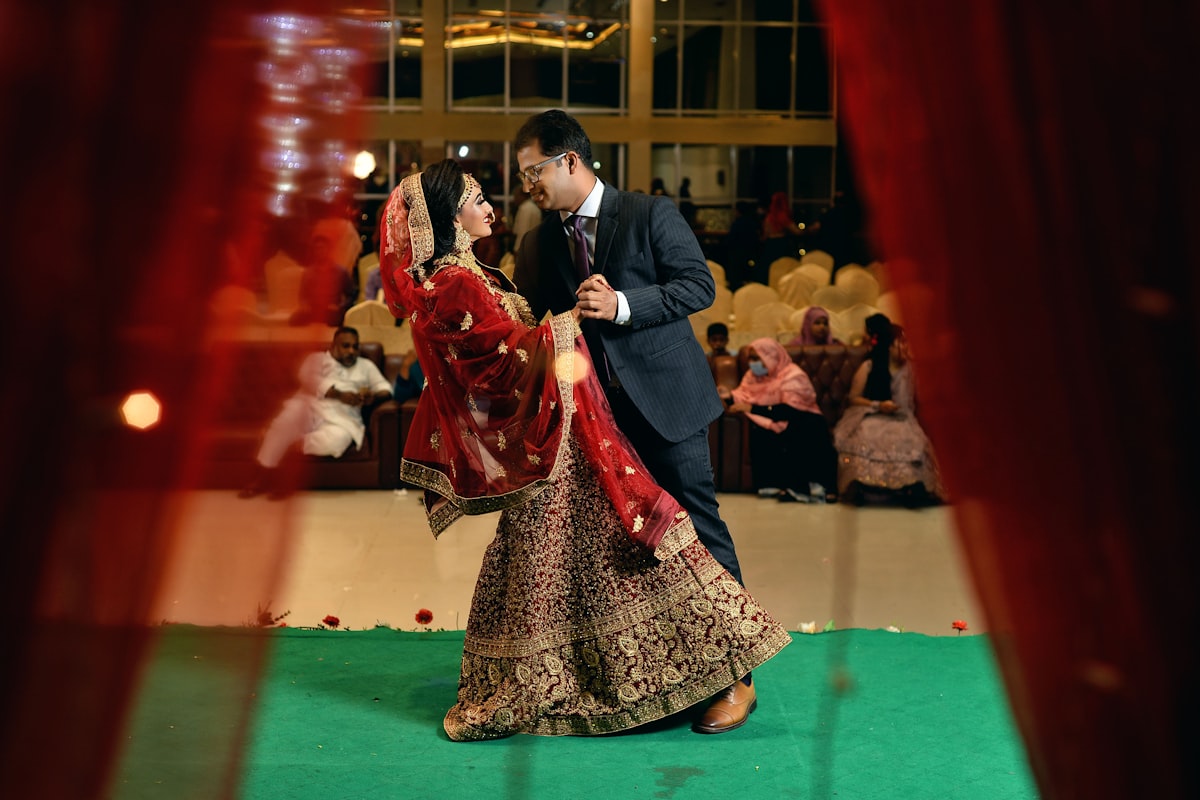
How to Plan Your Sangeet Night: A Complete Guide
From choreography and DJ setup to venue logistics and food — your practical guide to throwing a sangeet night your guests will actually remember.
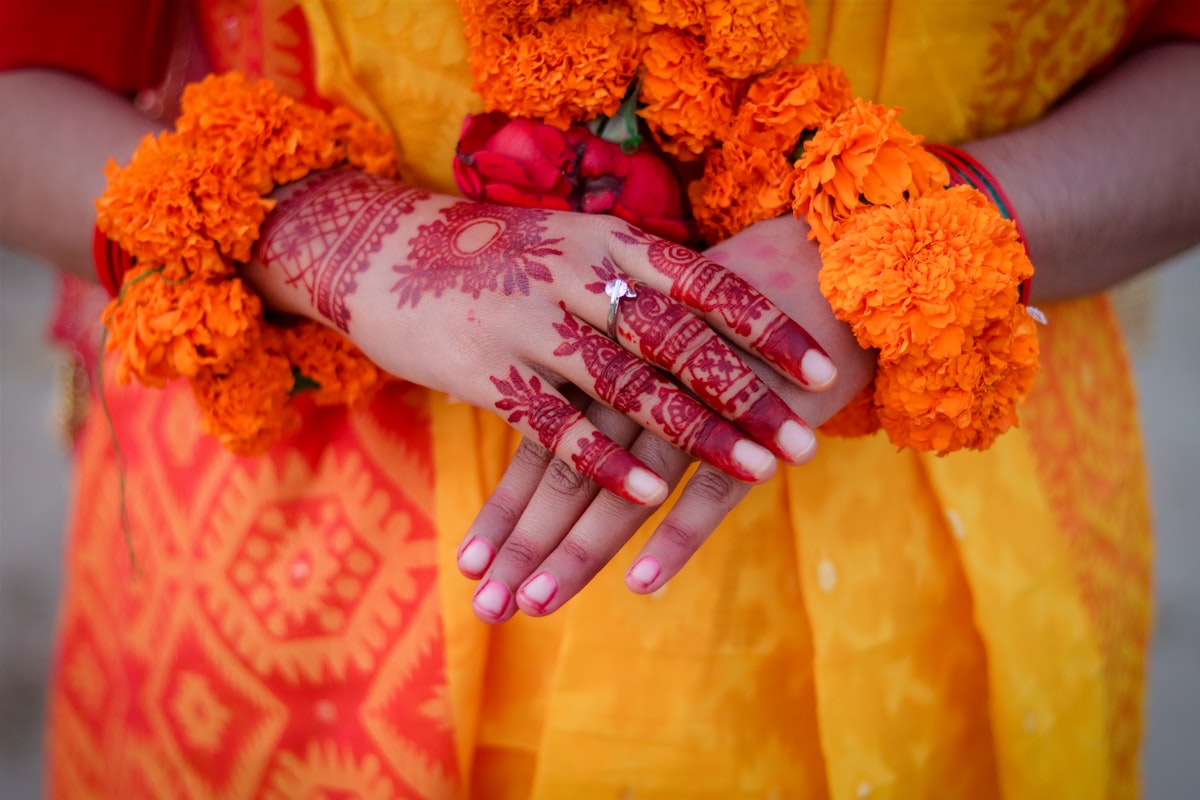
How to Plan Your Mehndi Ceremony: A Complete Guide
Everything you need to know about planning your mehndi — from finding the right artist and setting up the space to managing guests and keeping the schedule on track.
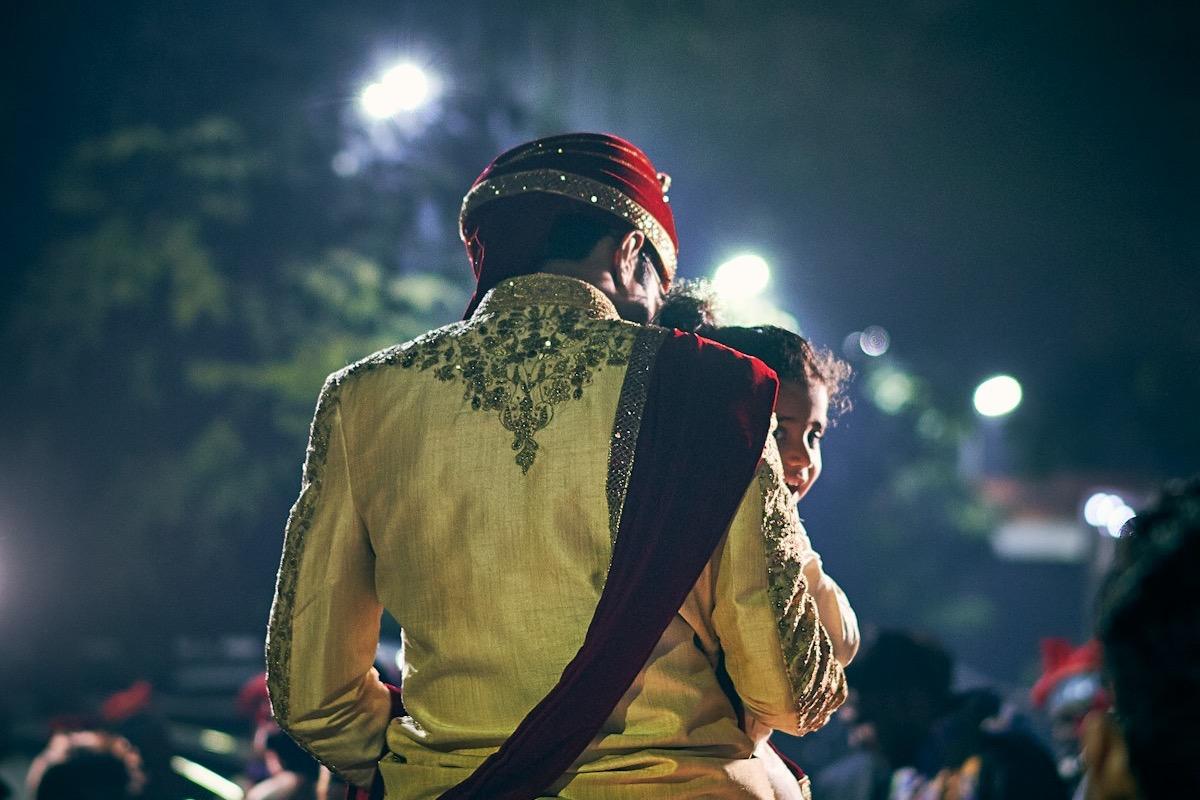
A Complete Guide to South Asian Wedding Events: From Mehndi to Reception
Not sure what happens at a sangeet vs. a mehndi? Planning a multi-day wedding but unsure which events you actually need? Here's your honest, no-judgment guide to every SA wedding celebration.
Ready to simplify your wedding planning?
Anvaya is built for South Asian weddings — manage every event, every guest, and every vendor in one place.
Get Started Free