The Ultimate South Asian Wedding Planning Timeline: A Month-by-Month Guide
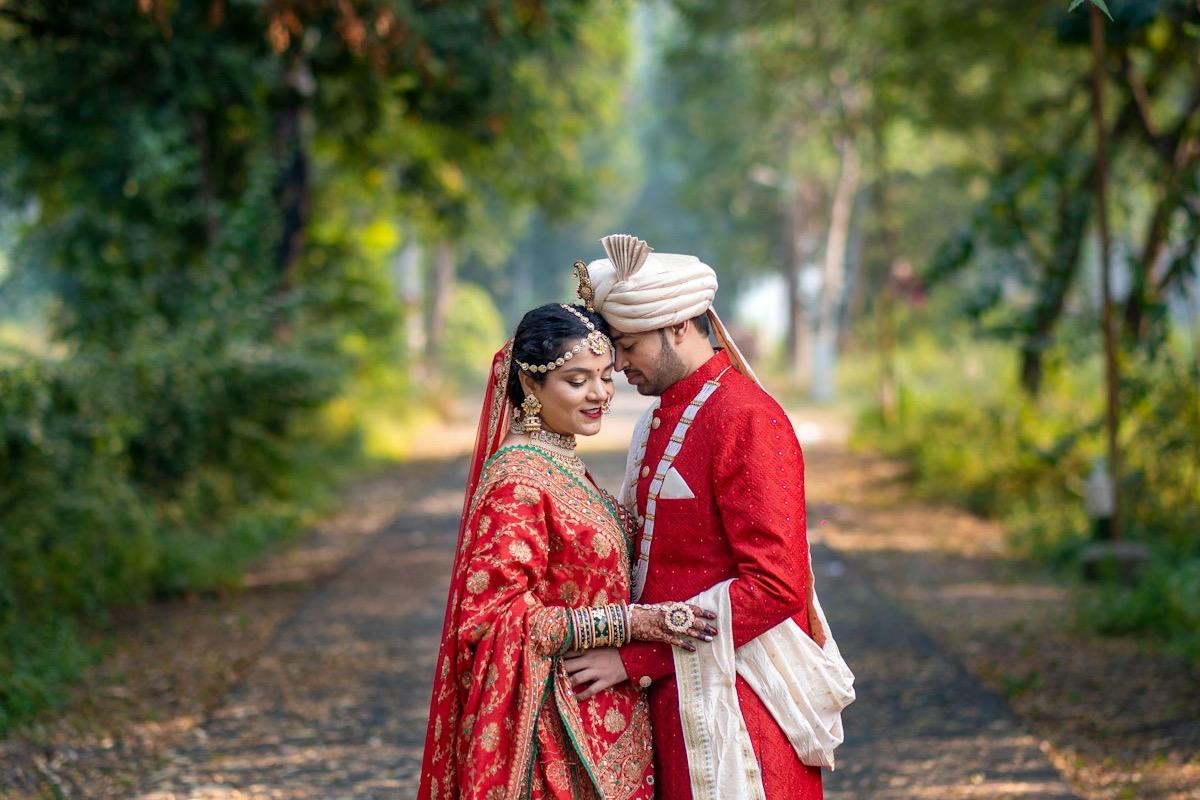
If you've ever Googled "wedding planning timeline," you know the drill. Every result reads the same: book a venue, find a photographer, pick your flowers, done. One day. One event. One checklist.
That's adorable. But it's not your wedding.
South Asian weddings aren't a single event. They're three to seven events spread across multiple days, sometimes in multiple cities, involving hundreds of guests, custom outfits that take months to arrive, and a baraat that somehow always runs forty-five minutes behind schedule. The planning timelines from The Knot or WeddingWire were never built for this. They assume one ceremony, one reception, maybe a rehearsal dinner. They have no idea what to do with a mehndi, a sangeet, a haldi, and a ceremony that involves an actual fire.
You didn't sign up to be an event planner for a multi-day festival. But here you are. So let's give you a timeline that actually works.
This is a realistic, month-by-month Indian wedding planning timeline covering the full 12-18 month window. It accounts for every event, every vendor category that's unique to South Asian celebrations, and every deadline that generic checklists miss entirely. Whether you're planning a three-event intimate wedding or a week-long celebration, this guide has you covered.
For a deeper look at each individual event and what it involves, check out our complete guide to South Asian wedding events.
18-15 Months Out: Get Aligned Before You Spend a Dollar#
This is the phase everyone wants to skip. Don't. The biggest source of stress in South Asian wedding planning isn't vendors or venues — it's misalignment between the couple and their families. Get on the same page now, or pay for it later (literally and emotionally).
Set a realistic budget range#
Not a final number. A range. Talk to both sets of parents about who is contributing what, who has opinions about the guest count, and what's non-negotiable for each family. If you want a realistic picture of costs, read our South Asian wedding cost breakdown for 2026.
The median South Asian wedding in the US runs significantly higher than the national average, largely because you're planning multiple events, each with its own catering, decor, and sometimes its own venue. A 300-person wedding with four events is a fundamentally different budget exercise than a 150-person single-day celebration.
Agree on the number of events#
This is the decision that shapes everything else. Are you doing mehndi, sangeet, haldi, ceremony, and reception as five separate events? Can you combine mehndi and haldi into one afternoon? Is the sangeet doubling as the rehearsal dinner?
Every additional event multiplies your vendor needs, your venue needs, and your planning complexity. Be intentional about this.
Have the guest list conversation early#
Here's what actually happens with South Asian wedding guest lists: you start at 200. Your parents add their friends, colleagues, and extended family. Your partner's parents do the same. Suddenly you're at 475 and you haven't even started the B-list.
Have this conversation now while it's still theoretical. Establish guest count ranges per event — not everyone attends everything. Your mehndi might be 80 people. Your ceremony might be 350. Your reception might be 400. These numbers drive your venue search more than anything else. Our guest list management guide covers the unique challenges of managing family-based invitations across multiple events.
Start a planning system#
Spreadsheets are how most couples start. And spreadsheets are how most couples lose track of things by month six. If you're coordinating across multiple events, two families, and dozens of vendors, you need something purpose-built. We wrote a whole piece on why your wedding spreadsheet is failing you if you want the full picture.
12-14 Months Out: Lock In the Big Vendors#
This is where real money starts moving. The vendors you book now are the ones that shape the entire experience.
Venues (yes, plural)#
For a multi-event South Asian wedding, you may need two or three venues — or one venue that can accommodate multiple setups across different days. Here's what to look for that The Knot's venue filters won't tell you:
- Outside catering allowed. Many South Asian families have specific caterers they want. Venues with exclusive catering contracts will be a dealbreaker.
- Fire-friendly. If you're having a Hindu ceremony with a havan (sacred fire), the venue needs to allow open flame. Ask specifically. Many venues say yes to candles but no to a fire pit.
- Late-night music permissions. Sangeet parties go late. If the venue has a 10 PM noise cutoff, that's a problem.
- Multiple event spaces. Can the same venue host your mehndi in a garden, your ceremony in a ballroom, and your reception in another hall? Multi-space venues can save you a fortune and reduce logistics headaches.
Book venue visits for weekdays if you can. Weekends in South Asian peak season — roughly November through January and April through June, when most muhurat dates fall — book out fast, and the good South Asian wedding venues in major metros are in high demand. (This is different from the Western "May through October" peak that generic venue checklists assume; July through September is actually off-peak for many SA communities, since Pitru Paksha / Shradh and the late-monsoon window discourage weddings in that stretch.)
Photographer and videographer#
South Asian wedding photographers who know how to capture a baraat, shoot in the low light of a mehndi night, and handle the pace of multi-event coverage are specialists. The good ones book 12 to 18 months out, especially for peak season weekends. Don't assume you can find someone six months before.
Ask to see full wedding galleries, not just highlight reels. You want to know they can handle the long hours and varied lighting across multiple events.
Wedding planner or coordinator#
If your budget allows it, a planner experienced with South Asian weddings is worth every penny. The coordination complexity of multi-event weddings is genuinely a different job than planning a single-day celebration. A planner who has only done Western weddings will underestimate the timeline, the vendor count, and the family dynamics.
If a full planner isn't in the budget, at minimum hire a day-of coordinator for each event day.
9-11 Months Out: Build Your Vendor Team#
Now the planning gets detailed. You're moving from "big picture" to "who exactly is doing what at each event."
Caterer#
South Asian wedding catering is its own world. You might need different menus for different events — lighter fare for mehndi, a full spread for the reception. If you're doing a fusion menu or accommodating both South Asian and Western tastes, tastings take time to get right.
Book tastings early. Good South Asian caterers in major cities are juggling multiple weddings every weekend during peak season.
Decorator and florist#
Decor for a multi-event wedding isn't one look — it's three or four. Your mehndi might be colorful and casual. Your ceremony might be traditional with heavy mandap decor. Your reception might be elegant and minimal. Find a decorator who understands South Asian aesthetics and can create distinct looks without blowing your budget on each one.
For guidance on evaluating vendors across multiple events, see our guide to choosing vendors for multi-day weddings.
Outfits ordered#
This is the deadline that sneaks up on people. If you're ordering a custom lehenga or sherwani from India, plan on three to six months for creation (longer for heavy zardozi or couture houses), two to four weeks for shipping and customs, and another four to six weeks for alterations once it arrives in the US. That means ordering nine to eleven months out is not early — it's right on time, and for designer pieces with long waitlists you may need to start at twelve.
If you're shopping in the US or Canada, you have a bit more flexibility, but popular designers still have wait lists during peak wedding season.
Save the dates#
Send these out now, especially if you have guests traveling from India or other countries. As of 2026, US visitor visa (B1/B2) wait times from India are severe — Mumbai is averaging around nine to ten months for an interview slot, Delhi six to eight months, and only Chennai is fast (under two months). That is before any administrative processing. If you have guests in India, ideally send save-the-dates closer to twelve months out and tell them to start the DS-160 plus appointment process immediately.
6-8 Months Out: Fill In the Details#
You've got your big vendors locked. Now it's time for the specialists and the details that make each event feel complete.
Mehndi artist#
Good mehndi artists in major cities book out months in advance, particularly during peak season. If you want bridal mehndi plus mehndi for family members, you may need the artist for several hours. Book now. Our mehndi ceremony planning guide covers how to find and evaluate artists.
Dhol players and baraat logistics#
The baraat is one of those things that sounds simple until you actually plan it. You need dhol players, possibly a horse or a car, a route from the staging area to the venue entrance, coordination with the venue on timing, and a realistic estimate of how long it will take.
Here's the truth that every South Asian wedding planner knows: the baraat almost always runs late. It starts late because people are still getting ready, it takes longer than expected because everyone wants photos, and by the time the groom actually arrives at the mandap, you're thirty to forty-five minutes behind. Build buffer into your ceremony timeline. Your future self will thank you.
Pandit, priest, or officiant#
If you're having a religious ceremony, book your officiant now. Popular pandits perform multiple ceremonies on the same weekend during peak season, and their availability will constrain your ceremony timing.
Discuss the ceremony length and format. A full traditional Hindu ceremony can run two hours or more. A condensed version might be forty-five minutes. This decision affects your entire day-of timeline.
Sangeet choreographer#
If your sangeet includes choreographed family dances — and most do — book a choreographer now. Rehearsals typically start six to eight weeks before the wedding, but you want the choreographer booked well in advance so they can plan the performances and coordinate with the music. For the full rundown on sangeet logistics, see our sangeet night planning guide.
Invitations#
South Asian wedding invitations are often more elaborate than Western ones, with multiple inserts for different events, sometimes separate RSVP cards per event, and custom design work. Give yourself time for design revisions and printing.
Digital invitations are increasingly common and much easier to manage, especially when you need per-event RSVPs. Trying to track RSVPs for four different events through paper cards is a logistical challenge that most generic planning tools like Joy or Zola aren't set up to handle either — they assume one event, one RSVP.
3-5 Months Out: Coordinate and Confirm#
This is where planning shifts from booking to coordinating. All your vendors exist. Now they need to work together.
Vendor coordination meetings#
Get your planner (or yourself) on calls with every vendor to confirm details. The goal is to make sure your photographer knows when the baraat starts, your caterer knows when dinner service begins, your decorator knows when they can access each space, and your DJ knows the sangeet playlist.
For multi-event weddings, create a master timeline that shows every vendor's load-in, setup, event time, and teardown across all days. This is where spreadsheets genuinely fall apart. You need a system that can handle per-event timelines, not just one day.
Seating charts#
Start early. South Asian wedding seating is political in ways that no algorithm can solve. You need to balance family hierarchies, keep certain aunties away from each other, make sure both sides of the family feel equally represented, and handle the inevitability that your final guest count will change at least three more times before the wedding.
RSVP tracking#
Chase RSVPs aggressively starting now. South Asian wedding RSVPs are notoriously slow to come in, partly because of cultural norms around last-minute confirmations and partly because guests are RSVP-ing for multiple events and it feels like a lot.
Instead of sending separate RSVP requests per event, give each guest one link where they can see everything they are invited to and respond for each event at once. This dramatically improves response rates compared to managing five separate RSVP threads.
Send reminders. Then send more reminders. Your catering final counts depend on this, and most caterers need numbers between one and three weeks before the event (occasionally up to thirty days for high-end venues). Check your specific contracts — multiple caterers across multiple events means multiple deadlines, and they will not all be the same.
Hair and makeup trials#
Book trials for each distinct look. You might want traditional glam for the ceremony and something lighter for the sangeet. Find artists who can do South Asian bridal makeup well — the base, the eye work, the staying power for a long day.
1-2 Months Out: Final Counts and Final Details#
The home stretch. Everything is booked, and now it's about precision.
Final guest counts to vendors#
Submit final counts to every caterer, every venue, every rental company. For multi-event weddings, this means separate counts for each event. Your mehndi might be 100 guests. Your ceremony might be 350. Your reception might be 400. Each number matters for each vendor.
Day-of timeline finalized#
Build a detailed timeline for each day, not just the ceremony day. Include:
- When the makeup artist arrives
- When the photographer starts shooting getting-ready photos
- When the baraat assembles (and when it actually needs to arrive — build in that buffer)
- Ceremony start and end
- Cocktail hour timing
- Reception entrances, speeches, first dance, dinner service
- Late-night events and end times
Share this timeline with every vendor. Print copies. Have your coordinator carry extras.
Vendor final payments#
Most vendors require final payment two to four weeks before the event. Get these handled so you're not chasing invoices during wedding week.
Rehearsals#
If your ceremony involves specific rituals with family participation, do a walkthrough. Even a brief one helps everyone know where to stand, when to move, and what to expect.
The Week Of: Day by Day#
This is the week you've been planning for. Here's how it typically flows for a multi-event South Asian wedding.
Three to four days before#
- Confirm all vendor arrivals and setup times
- Final outfit fittings and steaming
- Welcome bags assembled for out-of-town guests
- Pick up any rental items
Two days before (Mehndi / Haldi)#
- Venue setup for mehndi and haldi
- Bridal mehndi session (allow four to six hours for elaborate hands-and-feet work, plus another six to eight hours of set time before the paste comes off)
- Haldi ceremony (if separate from mehndi)
- Keep the evening relaxed — you have big days ahead
A common mistake: scheduling haldi the morning of (or before) bridal mehndi. Turmeric paste rubbed on freshly applied henna will lift the color before it has had time to oxidize. Bridal mehndi takes four to six hours of application plus six to eight hours of set time, and the stain continues darkening for another twenty-four to forty-eight hours. Apply mehndi the evening before haldi (ideally two days before the wedding) so the color is fully developed for ceremony photos. If timing forces haldi after mehndi, have the bride wear cotton gloves during haldi to keep turmeric off her hands.
One day before (Sangeet)#
- Sangeet venue setup and sound check
- Final dance rehearsals
- Sangeet performances and dinner
- Resist the urge to stay out too late. Tomorrow is the big day.
Wedding day (Ceremony and Reception)#
- Bridal and groom prep starts early (hair, makeup, dressing)
- First look photos if doing them
- Baraat assembly and procession
- Ceremony (remember that buffer you built in — you'll need it)
- Cocktail hour and guest transition
- Reception: grand entrance, dinner, toasts, first dance, party
- Late-night send-off or after-party
Day after#
- Gift opening and brunch (if hosting)
- Vendor item returns
- Thank your parents. Seriously. They've been planning this alongside you for over a year.
The Part Nobody Tells You#
Here's what the generic timelines from wedding websites will never capture: the emotional weight of coordinating between two families, often across cultures, sometimes across countries and time zones. The late-night phone calls with your mom about the guest list. The gentle negotiation about which traditions to keep and which to adapt. The moment your dad sees you in your wedding outfit for the first time.
The logistics matter because they create the space for those moments to happen. When the timeline is right, when the vendors are coordinated, when the seating chart isn't a disaster — that's when you get to actually be present at your own wedding instead of putting out fires.
A Better Way to Track All of This#
If reading this timeline made you feel a little overwhelmed, that's normal. Multi-event South Asian weddings have more moving pieces than any single checklist can capture, and most wedding planning tools simply weren't designed for them.
Anvaya was built specifically for this. Our planning dashboard seeds 23 stage-aware task templates against your wedding date, and every task is organized by event, by timeline, and by priority. Every event gets its own guest tracking, its own vendor assignments, its own timeline. You can manage your mehndi, your sangeet, your ceremony, and your reception as the distinct events they are, not as afterthoughts crammed into a single-day planner.
Your wedding is going to be beautiful. Let's make sure the planning gets you there without losing your mind along the way.
Continue Reading

Plan Your Wedding with ChatGPT
Anvaya is now an app inside ChatGPT. Connect it once and your guest list, vendors, budget, and events become part of every conversation, paired with everything ChatGPT already knows about wedding planning.

Plan Your Wedding with Claude
Connect Anvaya to Claude and your guest list, vendors, budget, and events become part of every conversation, paired with everything Claude already knows about wedding planning.
Ready to simplify your wedding planning?
Anvaya is built for South Asian weddings — manage every event, every guest, and every vendor in one place.
Get Started Free