How to Plan Your Sangeet Night: A Complete Guide
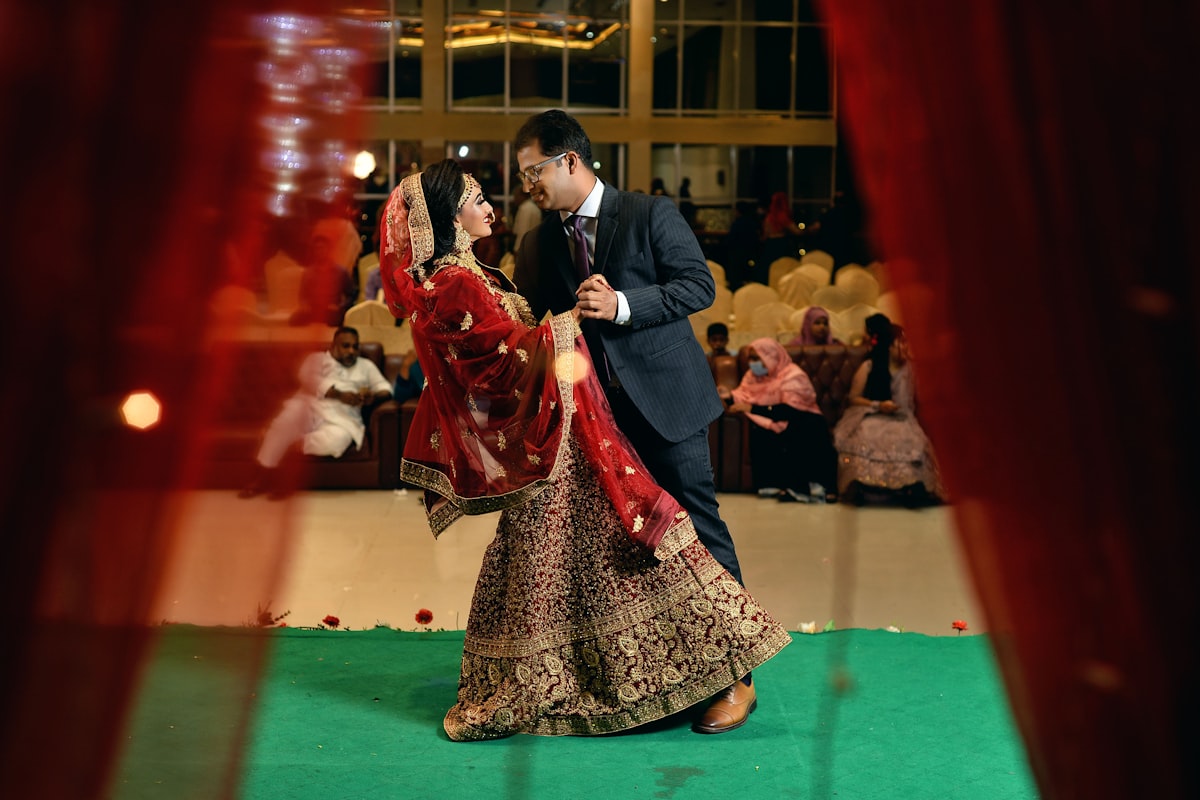
Your sangeet might be the one event your guests talk about for years. Not the ceremony (sorry), not the reception — the sangeet. It's the night where your cousin finally debuts that Bollywood routine she's been rehearsing in her living room for three months. It's where your dad surprises everyone by knowing every word to "Chaiyya Chaiyya." It's chaos, it's joy, and it takes more planning than most people realize.
Here's everything you need to know to pull it off.
What Is a Sangeet, Exactly?#
The word "sangeet" comes from Sanskrit, meaning "sung together." Historically, it was known as the Ladies Sangeet — a gathering where women from the bride's and groom's families would sing folk songs, share advice (often about in-laws and married life), and celebrate the upcoming marriage. The tradition has its strongest roots in Punjabi and Sindhi communities, with broader North Indian variants featuring giddha and boliyan; it has since been adopted across most South Asian wedding traditions. (Gujarati families historically held a related but distinct musical evening centered on garba and raas.)
Over the past few decades, the sangeet has evolved dramatically. What was once a small, intimate affair — women singing traditional songs in someone's living room — has grown into one of the biggest events on the wedding calendar. Both families participate now, along with friends, and the evening typically features choreographed group dances, DJ sets, games, and sometimes live music. The Knot describes it as a celebration featuring "music, dance, and entertainment" that's become central to South Asian wedding festivities.
If you're putting together a multi-day wedding celebration, the sangeet usually falls one to three days before the wedding ceremony itself, often on the same day as or the evening after the mehndi and around the same window as the haldi.
The cultural purpose hasn't changed, though: it's about bringing two families together in a low-stakes, high-energy setting before the formality of the wedding day. It breaks the ice, builds connection, and honestly, it's just a really good time.
Entertainment: The Heart of the Night#
The performances are the sangeet. Everything else — the food, the decor, the venue — exists to support them. So start here.
Choreographed Dances#
Most sangeets feature three to six performance groups: the couple, the bride's side, the groom's side, and maybe a friends' group or two. Some families go further with surprise acts or mashup performances.
The key decision is whether to hire a professional choreographer or go DIY. A choreographer who specializes in sangeet dances will handle song selection, choreography that works for mixed skill levels, and rehearsal scheduling. Companies like Los Sabrosos Dance Co. offer packages starting around $650 for a couple's dance (two to three minutes of choreography with five private lessons) and scaling up to $1,700 or more for longer routines with additional sessions. Rates vary widely by city — expect to pay more in metros like NYC, the Bay Area, or Houston where demand is high.
If you're managing multiple groups, many choreographers offer group packages or virtual sessions for out-of-town family members. This has become standard since 2020, and it works surprisingly well.
DJ vs. Live Music#
You'll need music for the performances and for open dancing afterward. A DJ is the most common choice — they can handle transitions between choreographed numbers, take requests, and keep the energy going after the program ends. The Knot pegs the average general-market wedding DJ at around $1,700, but South Asian wedding DJs — who curate Bollywood, bhangra, regional, and Western sets and typically work multi-event weekends — sit higher. SoDJLA and My Brown Wedding's 2026 cost breakdown put a single-event South Asian DJ at $2,000–$5,000, with multi-event packages running $5,000–$12,000+.
Some families add a dhol player for high-energy moments — entrances, group dances, the transition to open dancing. A dhol player typically runs $500–$1,500 for one to two hours of performance time in the US, with metro markets and weekend prime slots at the higher end (SoDJLA).
Live bands are less common for sangeets but can be spectacular if the budget allows. A full Bollywood cover band can run $3,000 to $10,000+ depending on size and travel.
The best sangeet entertainment isn't all dancing. Consider adding a game segment between performances — couples trivia, a "how well do you know the bride/groom" quiz, or a lip sync battle. It gives performers a breather and keeps non-dancers engaged.
Emcee#
Don't underestimate the emcee. A good MC keeps the night moving, introduces performances, fills dead air during transitions, and manages the energy in the room. This can be a charismatic friend or family member, or your DJ might offer emcee services. If you go with a friend, give them a written run-of-show with specific cues and timing.
Choreography Logistics#
This is where most sangeet planning either comes together or falls apart. Coordinating multiple groups of people with different schedules, skill levels, and enthusiasm is a project management challenge.
When to Start#
Start planning choreography four to six months before the wedding, according to Hitkari Productions. Here's a realistic timeline:
- Six months out: Identify which groups want to perform. Send a casual message to family and friends — you'll quickly learn who's excited and who needs convincing.
- Four months out: Book your choreographer (if using one). Share song preferences.
- Three months out: Begin rehearsals. Weekly sessions work for local groups; virtual sessions for long-distance participants.
- One month out: Finalize costumes and any props. Groups should be running full routines.
- Two weeks out: Full run-through with the actual sound system if possible.
- Day before: Stage rehearsal at the venue. Walk through entrances, exits, and transitions.
Managing Family Participation#
Here's the truth: not everyone in the group will have the same level of commitment. Your maid of honor will show up to every rehearsal; your uncle will learn his part the night before. That's fine. A good choreographer designs routines that work for mixed ability levels — putting stronger dancers in front, giving simpler moves to reluctant participants, and building in moments where everyone can just vibe together.
The couple's dance is worth investing in. It's the centerpiece, and it's the one performance where the audience is paying full attention. Even two or three private lessons can make a noticeable difference.
If family is spread across cities, have your choreographer record tutorial videos for each group's routine. Platforms like Zoom and FaceTime work for live practice sessions. Many choreographers have offered virtual packages as a standard option since the pandemic, and it's genuinely effective for learning formations and timing.
Venue Requirements#
Not every venue works for a sangeet. You need space, sound, and flexibility that a typical banquet hall might not offer.
Dance Floor#
The standard event planning formula is 4.5 square feet per person on the dance floor, based on roughly one-third of guests dancing at any given time, according to The Knot. But a sangeet isn't a typical wedding reception. You'll have large group performances, and during open dancing, participation tends to run higher than average.
For a 200-guest sangeet, plan for a dance floor of at least 15 by 20 feet (300 square feet) for performances, and ideally larger — closer to 400 to 500 square feet — if you expect enthusiastic open dancing. Curated Events recommends budgeting up to 40-50% of guests dancing at once for high-energy events like weddings.
Sound and Lighting#
Audio clarity is non-negotiable. Performances lose their impact if guests can't hear the music properly. Make sure your venue has either a quality in-house sound system or allows you to bring in professional equipment. You'll need at minimum a PA system, wireless microphones (for the emcee and any speeches), and a DJ setup.
For lighting, the basics are stage lighting for performances and dance floor lighting for open dancing. LED uplighting and a spotlight for the performance area go a long way. Many venues offer integrated lighting rigs, but confirm this during your walkthrough. Ovation Square notes that premium venues typically provide in-house technical teams, soundproofing, and dedicated event coordinators to manage transitions.
If you're evaluating venues, our South Asian wedding venue checklist covers the key questions to ask about noise restrictions, load-in times, and A/V equipment.
Stage#
A raised stage isn't strictly necessary, but it makes a huge difference for visibility, especially with 150+ guests. Even a 6-inch riser helps. If your venue doesn't have a built-in stage, rental stages typically run $200 to $800 depending on size.
Food and Drinks#
The sangeet food strategy is different from your reception. Guests will be moving around, getting up to dance, and mingling more freely. Heavy plated dinners don't work well here.
Format#
Stations and buffets are the way to go. SODJLA recommends interactive food displays and action stations for sangeet events — think live chaat counters, dosa stations, or a pav bhaji setup. Street food-style stations are popular because they're casual, fun, and encourage guests to graze throughout the evening rather than sitting down for a formal meal.
Fusion stations have been trending heavily: Indo-Chinese stir fry, Indian-spiced taco bars, or a pizza station alongside traditional options. The vibe should match the energy of the evening — fun, informal, and easy to eat while standing.
Timing#
Serve food before or alongside the early performances, not after. If you wait until after the program, guests get hungry and restless. Most sangeets open with cocktails and appetizers during the arrival window (30 to 60 minutes), then have stations available throughout the evening. Consider closing the food stations during the main performance block so guests are focused on the stage, then reopening for open dancing.
Budget#
Per-guest catering costs for a sangeet typically run $50 to $75 for a dinner buffet or station setup, though this varies significantly by region and caterer, according to estimates from Maharani Weddings. A bar package adds $20 to $50 per person depending on whether you're doing beer and wine or a full open bar. For detailed cost context, check our South Asian wedding cost breakdown.
According to MelaMatch's sangeet budget guide, a 300-guest sangeet at a 4- to 5-star hotel venue runs approximately $59,000 to $65,000 total, or roughly $200 to $220 per guest. The typical budget allocation: 40% for venue, food, and beverage; 38% for entertainment and lighting; 10% for decor; 8% for fashion; and 6% for photo/video.
Putting Together Your Budget#
Sangeet costs vary enormously based on guest count, location, and how elaborate you want to go. Here's a realistic range for a 150- to 200-guest sangeet in the U.S., pulling from the sources above:
| Category | Budget Range | Notes |
|---|---|---|
| Venue rental | $2,000 - $10,000 | Varies hugely by city and day of week |
| Catering (food + bar) | $10,000 - $20,000 | At $50-$100/guest for 200 guests |
| DJ | $2,000 - $5,000 | South Asian wedding specialists; multi-event packages run higher |
| Dhol player | $500 - $1,500 | 1-2 hours |
| Choreographer | $650 - $3,000+ | Depends on number of groups |
| Decor and lighting | $2,000 - $8,000 | Stage, dance floor, uplighting, florals |
| Photo/video | $1,500 - $4,000 | 5-6 hours of coverage |
| Stage rental | $200 - $800 | If venue doesn't have one |
| Total | $18,850 - $52,300 |
These numbers will shift based on your city. BollyWeds notes that metro areas with large South Asian populations (NYC, NJ, the Bay Area) trend 15 to 25 percent higher due to venue demand and premium vendor pricing.
If you're coordinating vendors across multiple events, our guide on choosing vendors for multi-day celebrations covers how to negotiate package deals.
Day-of Timeline#
Here's a sample timeline for a sangeet running from 6:00 PM to 11:00 PM. Adjust based on your guest count and number of performances.
| Time | What's Happening |
|---|---|
| 4:00 - 5:30 PM | Vendor load-in, sound check, stage rehearsal for performers |
| 5:30 - 6:00 PM | Couple and family photos (while venue is set up but empty) |
| 6:00 - 7:00 PM | Guest arrival, cocktails, appetizer stations open |
| 7:00 - 7:15 PM | Welcome from emcee, couple's entrance |
| 7:15 - 8:30 PM | Performance block: 4-6 choreographed numbers with emcee transitions |
| 8:30 - 9:00 PM | Dinner stations reopen, intermission, speeches or games |
| 9:00 - 9:30 PM | Garba/Raas or additional traditional dances (if applicable) |
| 9:30 - 11:00 PM | Open dance floor, DJ takes over |
| 11:00 PM | Last song, send-off |
A few notes on timing: build in buffer between performances for transitions. Sound checks between acts eat more time than you'd expect. And if you're doing Garba or Raas, photographer Michael Santos notes that both together typically run about an hour — plan accordingly.
Designate one person (not the couple, not a parent) to manage backstage logistics on the night of. They're responsible for cueing performers, coordinating with the DJ and emcee, and keeping the timeline on track. This single decision will reduce your stress by about 80%.
Final Thoughts#
The sangeet is one of those rare wedding events where the goal is pure, unfiltered celebration. There's no solemnity, no protocol, no seating chart drama. Just music, dancing, and two families deciding they're going to have a great time together.
Plan the logistics well — book your choreographer early, get the right venue, time the food correctly — and then let it breathe. The best sangeet moments are almost always unscripted: your grandmother getting pulled onto the dance floor, the groom's friends botching their choreography in the most entertaining way possible, the moment the DJ drops that one song and the entire room erupts.
Give it the structure to succeed, and then get out of the way.
Planning your sangeet alongside the rest of your wedding events? Anvaya helps you manage your full event timeline, guest lists, budget, and vendor coordination across every celebration — from mehndi to reception.
Continue Reading
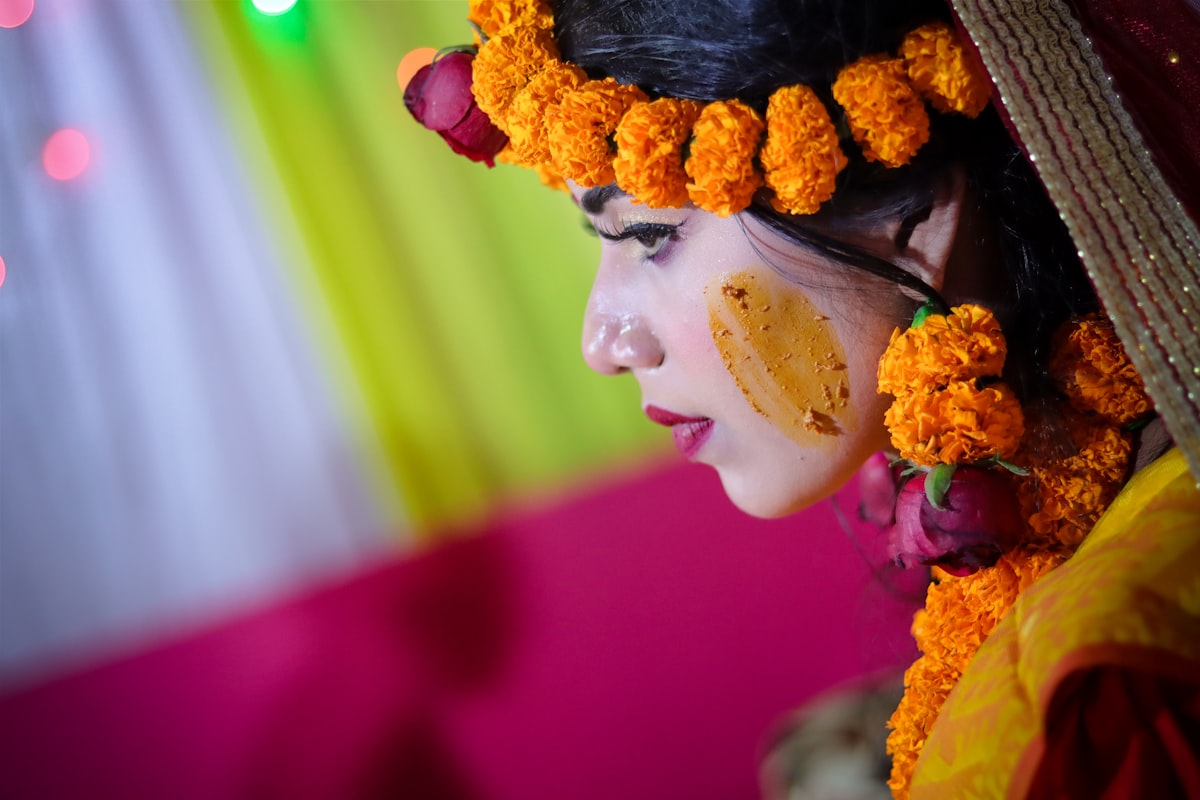
How to Plan Your Haldi Ceremony: A Complete Guide
The haldi is one of the most joyful, colorful events of a South Asian wedding. Here is how to plan it — from turmeric prep and dress code to venue setup and photography.
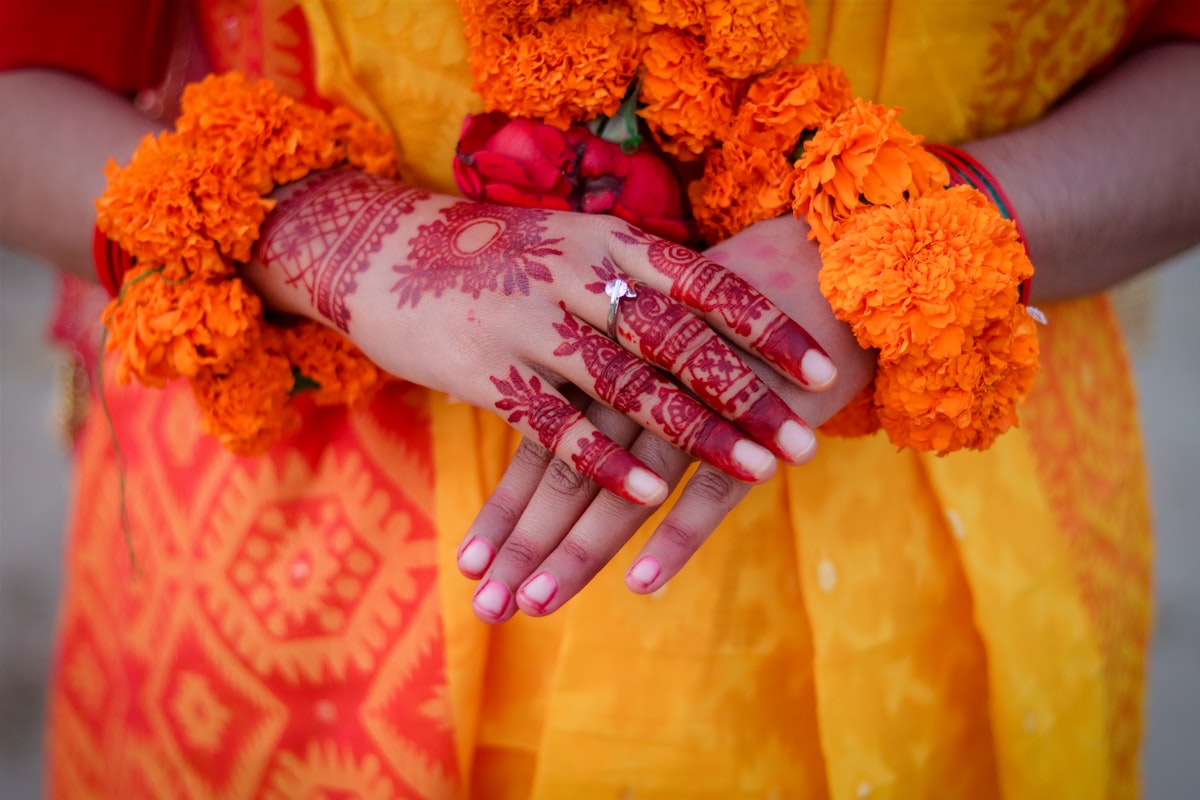
How to Plan Your Mehndi Ceremony: A Complete Guide
Everything you need to know about planning your mehndi — from finding the right artist and setting up the space to managing guests and keeping the schedule on track.
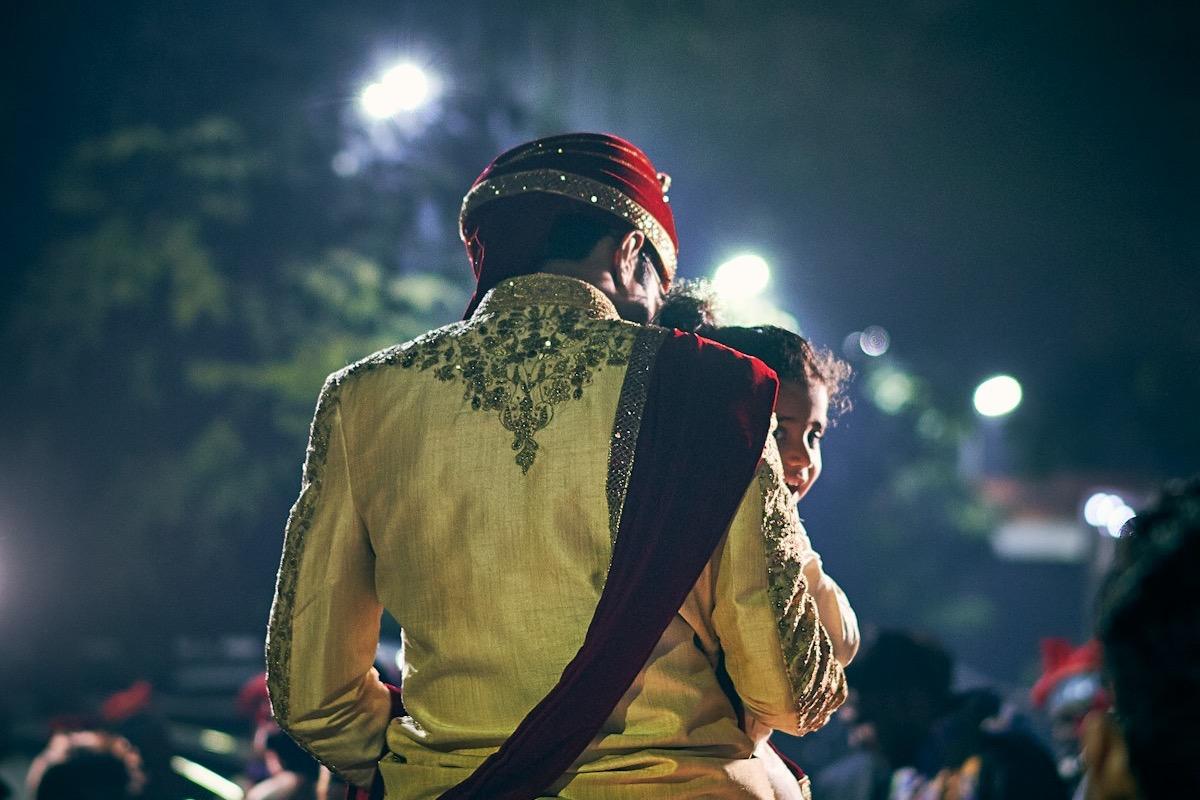
A Complete Guide to South Asian Wedding Events: From Mehndi to Reception
Not sure what happens at a sangeet vs. a mehndi? Planning a multi-day wedding but unsure which events you actually need? Here's your honest, no-judgment guide to every SA wedding celebration.
Ready to simplify your wedding planning?
Anvaya is built for South Asian weddings — manage every event, every guest, and every vendor in one place.
Get Started Free