How to Plan Your Mehndi Ceremony: A Complete Guide
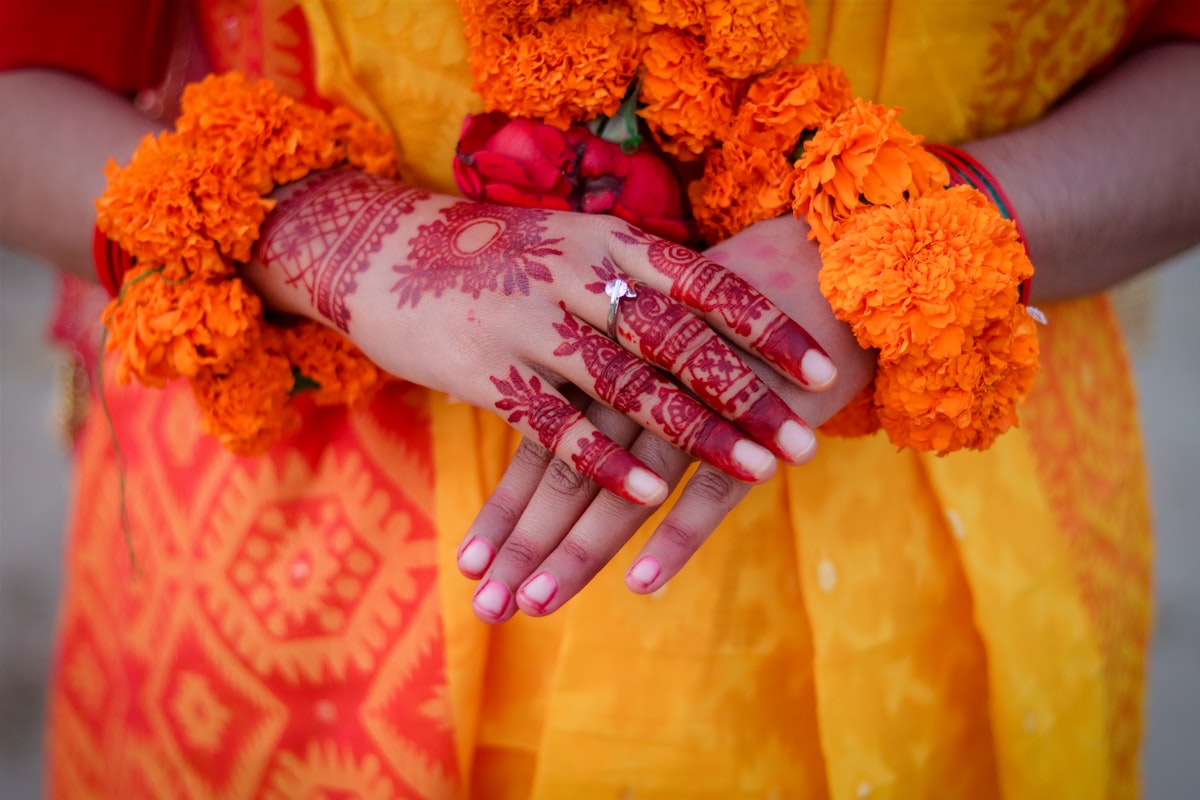
Your mehndi ceremony might be the one event during your wedding week where you actually get to sit down. Literally — you'll be sitting for hours while an artist paints intricate designs onto your hands and feet. But planning the event itself? That part requires you to be on your feet well in advance.
The mehndi is often treated as the "easy" event in a multi-day South Asian wedding. It's smaller than the sangeet, less formal than the ceremony, and lower-budget than the reception. But that casual reputation leads a lot of couples to under-plan it, and then they're scrambling the week before the wedding to figure out seating, food, and why their mehndi artist hasn't confirmed.
This guide covers everything you need to actually pull it off — the cultural context, the logistics, the budget, and the mistakes other couples have made so you don't have to.
If you're still mapping out your full event lineup, our guide to South Asian wedding events covers how the mehndi fits into the bigger picture. For the two events most often scheduled around the mehndi, see our guides to planning your haldi ceremony and planning your sangeet night.
What the mehndi ceremony actually is#
At its core, the mehndi is a pre-wedding gathering centered around the application of henna — a temporary dye made from the leaves of the Lawsonia inermis plant — onto the bride's hands, arms, and feet in intricate patterns. The word "mehndi" refers both to the henna paste itself and to the ceremony surrounding its application.
The practice has deep roots across South Asia, the Middle East, and North Africa. The henna plant (Lawsonia inermis) was used cosmetically in ancient Egypt as early as 3400 BCE, and the tradition spread across North Africa, the Levant, and the Arabian peninsula before reaching the Indian subcontinent. Most scholarship places mehndi's emergence as a widespread bridal tradition in India during the medieval period — roughly the 12th century onward — accelerated by Mughal-era cultural exchange (see the Wikipedia entry on mehndi and the Natural History Museum's history of henna).
Cultural significance across traditions#
The mehndi carries meaning that goes beyond decoration, though what exactly it symbolizes varies by community.
In Hindu tradition, mehndi is considered auspicious — a symbol of love, prosperity, and the bond between a married couple. Many families hold that the darker the henna stain, the stronger the couple's love; another common saying is that a darker stain means a more affectionate mother-in-law. Both are folklore — but deeply felt folklore, and you'll hear your aunties referencing them.
In Muslim wedding traditions across India, Pakistan, and Bangladesh, the mehndi ceremony is a major celebration, often one of the most festive pre-wedding events. While the artistic traditions overlap significantly with Hindu mehndi, Muslim ceremonies may include specific customs like the bride's hands being covered with cloth after application, or particular prayers and blessings offered during the event.
In Sikh and Punjabi families, the mehndi is typically a lively event accompanied by dholki and Punjabi folk singing (giddha, boliyan), often held alongside — but distinct from — the mayian/vatna turmeric ceremony. (Don't conflate the two: vatna is the turmeric paste; mehndi is henna application.) The choora ceremony, in which the bride is given red and white bangles by her maternal uncle, is sometimes folded into the same evening.
Regional variations matter a lot here. A Rajasthani mehndi and a Bengali mehndi and a Hyderabadi mehndi might all be called the same thing but look and feel quite different. Rajasthani designs tend to be elaborate and cover more of the arms and legs. Some communities apply mehndi to the groom as well — the tradition of hiding the groom's initials somewhere in the bridal mehndi is common across many regions.
Traditionally, bridal mehndi was exclusively for women, but more couples today are choosing to have the groom's hands done as well — sometimes just a simple design on the palms. If your partner wants mehndi, make sure to schedule their session separately or budget extra artist time.
The point is: your mehndi doesn't need to match anyone else's template. Talk to your family about what mattered in the mehndi ceremonies they remember, and build from there.
Planning timeline#
The number one mistake couples make with their mehndi is treating it as an afterthought. Here's a realistic timeline for planning it without last-minute panic.
6+ months before the wedding#
Book your mehndi artist. This is not negotiable. Experienced bridal mehndi artists in the US book up fast, especially during peak wedding season (May through October). According to Queen of Henna's planning guide, professional mehndi artists should be booked six or more months in advance for peak season. If you're getting married in the summer and waiting until three months out, you'll be choosing from whoever is left.
Decide on venue and format. Is this a backyard gathering at your parents' house, or are you renting a separate space? Home mehndi events are very traditional and perfectly fine, but you need to plan the space intentionally. If you're booking a venue, smaller event spaces can typically be reserved four to six months out.
3-4 months before#
Finalize your guest list. The mehndi is traditionally a smaller event — often women-only, though plenty of modern mehndi ceremonies include everyone. Typical guest counts range from 50 to 150, though some families go much bigger. Your guest count drives everything else: food quantities, how many henna artists you need, seating, and space.
Book additional henna artists for guests. One artist for 50+ guests won't work. A good rule of thumb from MelaMatch's budget calculator is to plan for one artist per 12-15 guests per hour. If you have 60 guests who want mehndi, you'll want at least two to three guest artists working alongside your bridal artist.
Plan your menu and entertainment. More on both of these below.
2-4 weeks before#
Confirm all vendors. Reconfirm your mehndi artist, caterer, and any entertainment. Share the timeline of the day so everyone knows when to arrive and set up.
Do a trial run with your artist (if you haven't already). Most bridal mehndi artists offer or recommend a trial session. This is when you'll discuss design preferences, test the henna on your skin to check color development, and confirm how long the session will take.
Send reminders to guests. Let them know what to wear (something comfortable with sleeves they can push up), what time to arrive, and that they should eat before the bride's mehndi session — you don't want a crowd arriving hungry while the artist is mid-design.
Day before the mehndi#
Prep the space. Set up seating, decor, and a dedicated station for the bridal mehndi artist with good lighting. Make sure there's a comfortable spot for you to sit for three to four hours without needing to move much.
Exfoliate and moisturize your hands and feet — but skip lotion on the day of, as oils can prevent the henna from staining properly.
For a broader planning timeline that covers all your events, see our South Asian wedding timeline guide.
Finding and booking your mehndi artist#
Your mehndi artist is the single most important vendor for this event. Here's how to find the right one.
Where to look#
Start with referrals from friends and family who've had recent mehndi done. Beyond that, Instagram is genuinely one of the best places to find mehndi artists — most working artists maintain detailed portfolios there. South Asian wedding vendor directories (like those on The Desi Bride or local South Asian wedding Facebook groups) are another solid resource.
Questions to ask before booking#
- Can I see a full bridal portfolio? Guest mehndi and bridal mehndi are very different skill levels. You want to see completed bridal work, ideally with stain photos taken 48 hours after application.
- What type of henna do you use? You want natural henna only. Avoid any artist using "black henna," which contains para-phenylenediamine (PPD) and can cause serious skin reactions. Natural henna stains range from orange to deep brown — never black.
- How long will the bridal session take? Full bridal mehndi — hands to elbows, feet to ankles — typically takes three to six hours depending on the complexity of the design and the artist's pace.
- Do you bring your own setup? Most professional artists bring their own cones, supplies, and sometimes even seating. Confirm what they need from you (table, lighting, chair height).
- What's your cancellation and travel policy? Especially if your artist is traveling from another city, clarify fees for travel, accommodation, and what happens if you need to reschedule.
Bridal vs. guest mehndi#
Your bridal mehndi is the centerpiece — an elaborate, detailed design that can extend from fingertips to elbows and toes to mid-calf. Guest mehndi is simpler: usually a single hand or a small design on the back of the hand, taking 10-20 minutes per person.
Many couples hire one dedicated bridal artist and one or more separate guest artists. This keeps your bridal session uninterrupted while ensuring guests aren't waiting in a two-hour line.
Thumbtack's 2025 pricing data lists a national average of around $213 per person for general event henna, but bridal mehndi sits in a much wider band. Mid-career artists typically charge $300–$600 for full hands-to-elbows and feet-to-ankles coverage; experienced metro artists in NYC, the Bay Area, Houston, Chicago, or Atlanta commonly charge $700–$1,200+, with high-demand "celebrity" artists going higher. Guest artists generally bill $75–$150 per hour, and most bridal artists require a non-refundable deposit at booking.
Setting up the space#
Whether you're hosting at home or renting a venue, the physical setup of your mehndi matters more than people realize.
Seating is everything#
Guests getting mehndi need to sit still for 15-30 minutes while the paste is applied, then keep their hands open and untouched for another 20-30 minutes while it dries. That means you need:
- Comfortable seating at the right height for the artist to work. Low cushions and floor seating look beautiful in photos and are very traditional, but confirm your artist is comfortable working at that level. Many prefer a table-and-chair setup.
- A separate bridal station away from the main traffic flow. You'll be sitting for hours, and you don't want guests constantly bumping into you or the artist.
- A "drying area" where guests can sit after their mehndi is done without smudging it. Bean bags, reclined seating, or just a section with lots of pillows work well.
Lighting#
Good lighting is non-negotiable. Your artist needs to see fine details clearly, and dim "moody" lighting will affect the quality of the work. If you're outdoors, afternoon natural light is ideal but watch out for direct sun, which can dry the paste too quickly. For indoor or evening events, make sure the artist's station has bright, even lighting — a ring light or clip-on task light works in a pinch.
Indoor vs. outdoor#
Outdoor mehndi events are beautiful — garden settings, string lights, colorful fabrics — but come with risks. Wind can blow henna paste off the skin before it sets. Rain is an obvious problem. And if it's too hot, the paste dries too fast. Have a backup indoor plan or a covered outdoor space.
Indoor events are more controlled but need good ventilation. Henna has a distinct, earthy smell that's pleasant in small amounts but can be overwhelming in a closed room with multiple artists working simultaneously.
Food and entertainment#
Food#
Here's a detail that seems small but matters a lot: your guests will have wet henna on their hands. That means they literally cannot pick up food with their fingers for a while after their application.
Plan your menu accordingly. Finger foods are a bad idea during the active mehndi portion of the event. Instead, go with:
- Fork-friendly foods — rice dishes, pasta, chaat served in cups with spoons
- Food stations with servers who can plate items for guests
- Drinks with straws so guests with drying mehndi can still sip
Typical mehndi food tends to be more casual than what you'd serve at the reception. Think chaat stations, samosas, kebab platters, biryani, and mithai (sweets). Some families do a full dinner, while others keep it to heavy appetizers and snacks. The formality depends on your timing — an afternoon mehndi leans lighter; an evening event may warrant a full meal.
Serve food before the bulk of guest mehndi applications begin, or set up a station where guests who haven't had their mehndi yet can eat freely. Once the henna is on, eating becomes an awkward balancing act.
Entertainment#
The mehndi is typically more relaxed than the sangeet, which is the dedicated music-and-dance event. But that doesn't mean it's silent. Common entertainment options include:
- Dholki players or a dhol drummer — live percussion is traditional and creates an infectious energy
- A curated playlist — Bollywood, Punjabi folk, or whatever matches your vibe, played through a good speaker
- A DJ — for larger mehndi events that double as parties
- Mehndi games — "find the groom's name hidden in the bridal mehndi" is a classic, along with trivia about the couple
Some families combine the mehndi and sangeet into a single event to save time and budget. This works, but be aware that the logistics get more complex when you're managing dance performances, a DJ, and multiple henna artists all in the same space and timeframe. Our vendor selection guide for multi-day weddings covers how to coordinate multiple vendors across events.
Budget breakdown#
The mehndi is generally one of the more affordable events in a multi-day South Asian wedding, but costs add up faster than you'd expect.
Based on data from MelaMatch's Mehndi Budget Calculator and Thumbtack's henna pricing data, here's what to budget for a mehndi with roughly 75-100 guests in the US:
| Category | Estimated Range | Notes |
|---|---|---|
| Bridal mehndi artist | $300 - $1,200+ | Full hands + feet, 3-6 hour session; metro/top-tier artists at high end |
| Guest henna artists (2-3) | $75 - $150/hr each | Plan 1 per 12-15 guests per hour |
| Venue or home setup | $0 - $3,000 | Home is free; venue rental varies widely |
| Decor and lighting | $800 - $3,500 | Cushions, drapes, string lights, floral |
| Catering | $25 - $55 per guest | Light bites to full dinner |
| Entertainment | $300 - $1,200 | Dholki player, DJ, or speaker rental |
| Artist travel fees | $50 - $150 | If artist is traveling 20+ miles |
That puts a typical mehndi in the $5,000 to $15,000 range depending on your guest count and how elaborate you go. A small home mehndi with 30 guests, one artist for guests, and homemade food can come in well under $2,000. A large venue event with 150 guests and full catering will be on the higher end.
For how the mehndi fits into your overall wedding budget, see our South Asian wedding cost breakdown.
Catering is your biggest variable expense. At $25-$55 per guest (MelaMatch), the difference between 50 guests and 150 guests is $2,500 to $5,500 in food alone. Be intentional about your guest list — the mehndi doesn't have to include everyone invited to the wedding.
Common mistakes and how to avoid them#
Booking the mehndi artist too late#
This is far and away the most common mistake. Experienced bridal mehndi artists have limited availability — they can only do one bride per day. If you're getting married during peak season, artists may be booked a year out. Start looking as soon as you have your wedding date.
Not scheduling enough time for the bridal mehndi#
Full bridal mehndi takes three to six hours. If you schedule your mehndi event from 2pm to 6pm and your bridal session starts at 2pm, you'll still be in the artist's chair when the event is supposed to end. Many planners recommend starting your bridal mehndi session two to three hours before guests arrive, so you're free to enjoy the party once everyone shows up.
Skipping the henna trial#
A trial isn't just about design preference — it tells you how your skin reacts to the henna, how dark the stain develops (this varies a lot between people), and whether you and the artist work well together. It's also when you'll discover if you have a sensitivity to the henna paste, which is better to find out three months before your wedding than the day before.
Forgetting about the drying time#
Mehndi needs to stay on the skin for several hours to develop a deep stain. Ideally, you'll leave the paste on for six to eight hours. That means if your mehndi is applied at 2pm, you should plan to wrap and leave the paste on overnight. Schedule accordingly — don't plan any activities that require using your hands that evening.
Wearing the wrong outfit#
You'll be sitting still for hours, potentially with your arms extended. Wear something comfortable with sleeves you can push up past your elbows. Communicate this to your guests, too. That gorgeous but restrictive outfit can wait for another event.
Underestimating guest mehndi logistics#
If 80 guests all want mehndi and you've hired one guest artist, people will be waiting two-plus hours. Either hire enough artists, set up a sign-up sheet with time slots, or make it clear that guest mehndi is first-come, first-served with a cutoff time.
Not planning for "hands-free" logistics#
Once your mehndi is on, you can't touch your phone, eat with your hands, fix your hair, or go to the bathroom without help. Assign a trusted friend or family member as your "hands person" — someone who can hold your drink, feed you snacks, and handle your phone. This sounds funny until you're sitting there with gorgeous mehndi and a very full bladder.
Putting it all together#
The mehndi is one of those events that looks effortless when it goes well but requires genuine planning behind the scenes. The good news is that the core ingredients are simple: a skilled artist, comfortable seating, good food, and the people you love.
Start with your artist booking — that's the one vendor who truly makes or breaks the event. Build the rest of your planning around their schedule and requirements. Keep the food hands-friendly, the lighting bright enough for detailed work, and the vibe relaxed.
And remember: the mehndi is supposed to be fun. It's one of the few events during your wedding week that's genuinely low-pressure. The henna on your hands will darken over the next two days, and by the time you're walking around the mandap or standing under the jaimala, those patterns will be at their richest color — a visible reminder of the celebration that kicked everything off.
Continue Reading
A Complete Guide to South Asian Wedding Events: From Mehndi to Reception
Not sure what happens at a sangeet vs. a mehndi? Planning a multi-day wedding but unsure which events you actually need? Here's your honest, no-judgment guide to every SA wedding celebration.
How to Plan Your Haldi Ceremony: A Complete Guide
The haldi is one of the most joyful, colorful events of a South Asian wedding. Here is how to plan it — from turmeric prep and dress code to venue setup and photography.
How to Plan Your Sangeet Night: A Complete Guide
From choreography and DJ setup to venue logistics and food — your practical guide to throwing a sangeet night your guests will actually remember.
Ready to simplify your wedding planning?
Anvaya is built for South Asian weddings — manage every event, every guest, and every vendor in one place.
Get Started Free